October 9, 2026
Spray foam insulation is primarily composed of polyurethane, a versatile polymer known for its exceptional insulating properties. There are two main types available for residential and commercial structures: open-cell and closed-cell foam. Open-cell foam is lighter, more flexible, and less dense, making it particularly suitable for interior wall cavities and sound dampening. Closed-cell foam is much denser, offering a significantly higher thermal resistance and natural moisture resistance, making it ideal for exterior walls and below-grade applications. Selecting the appropriate formulation is crucial for optimizing energy efficiency, protecting building materials, and ensuring long-term structural integrity.
Spray foam insulation works by expanding rapidly upon application, filling every gap, crack, and void to create a continuous air barrier. This expansion property is the primary reason it outperforms conventional batts, effectively preventing air infiltration, which is a leading source of residential energy loss. By sealing off drafty areas, spray foam insulation improves the thermal resistance of a property, maintaining stable indoor temperatures throughout changing seasons. Eliminating thermal bridging significantly decreases energy consumption, making it a preferred choice for homeowners aiming to lower monthly utility bills and reduce their carbon footprint.
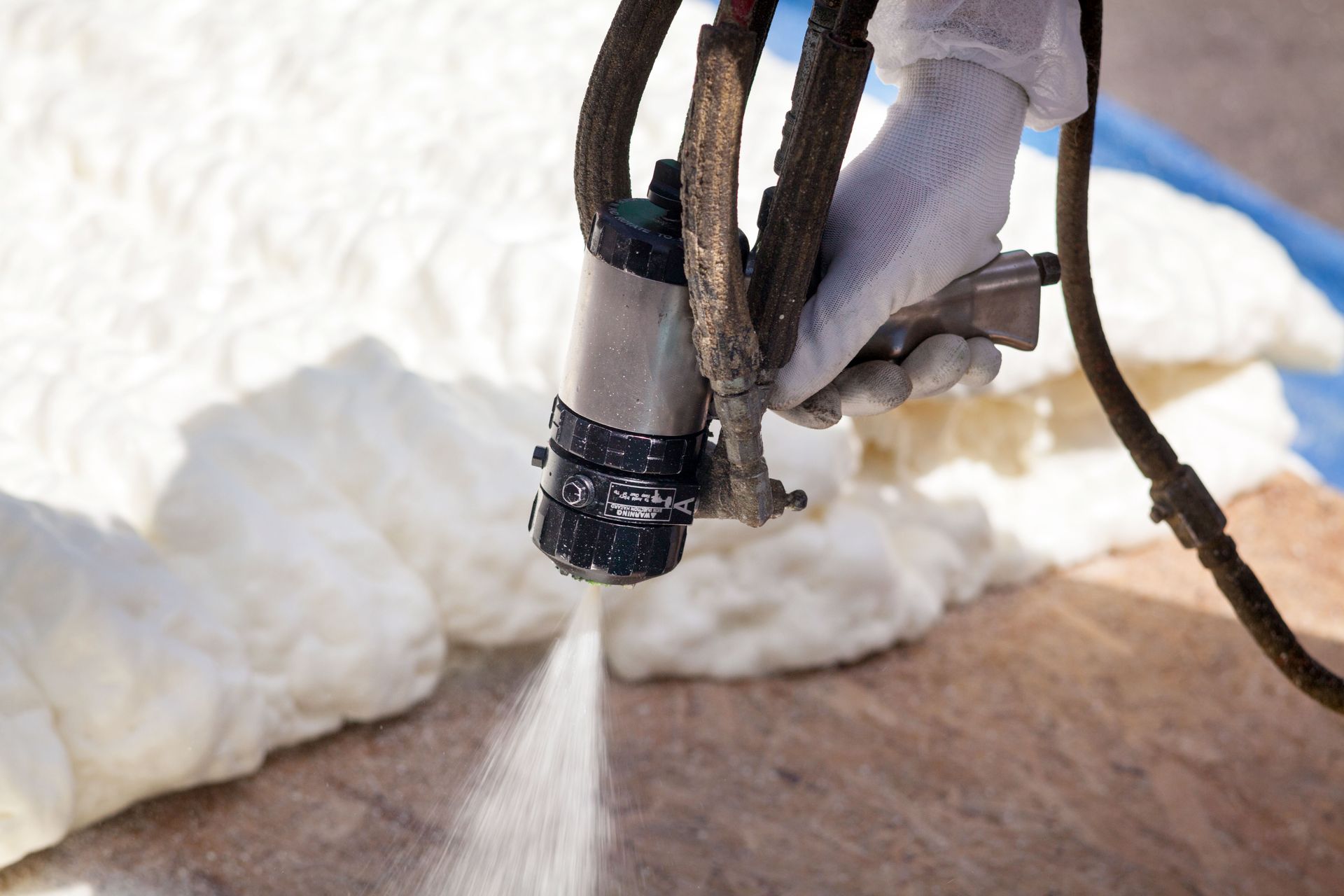
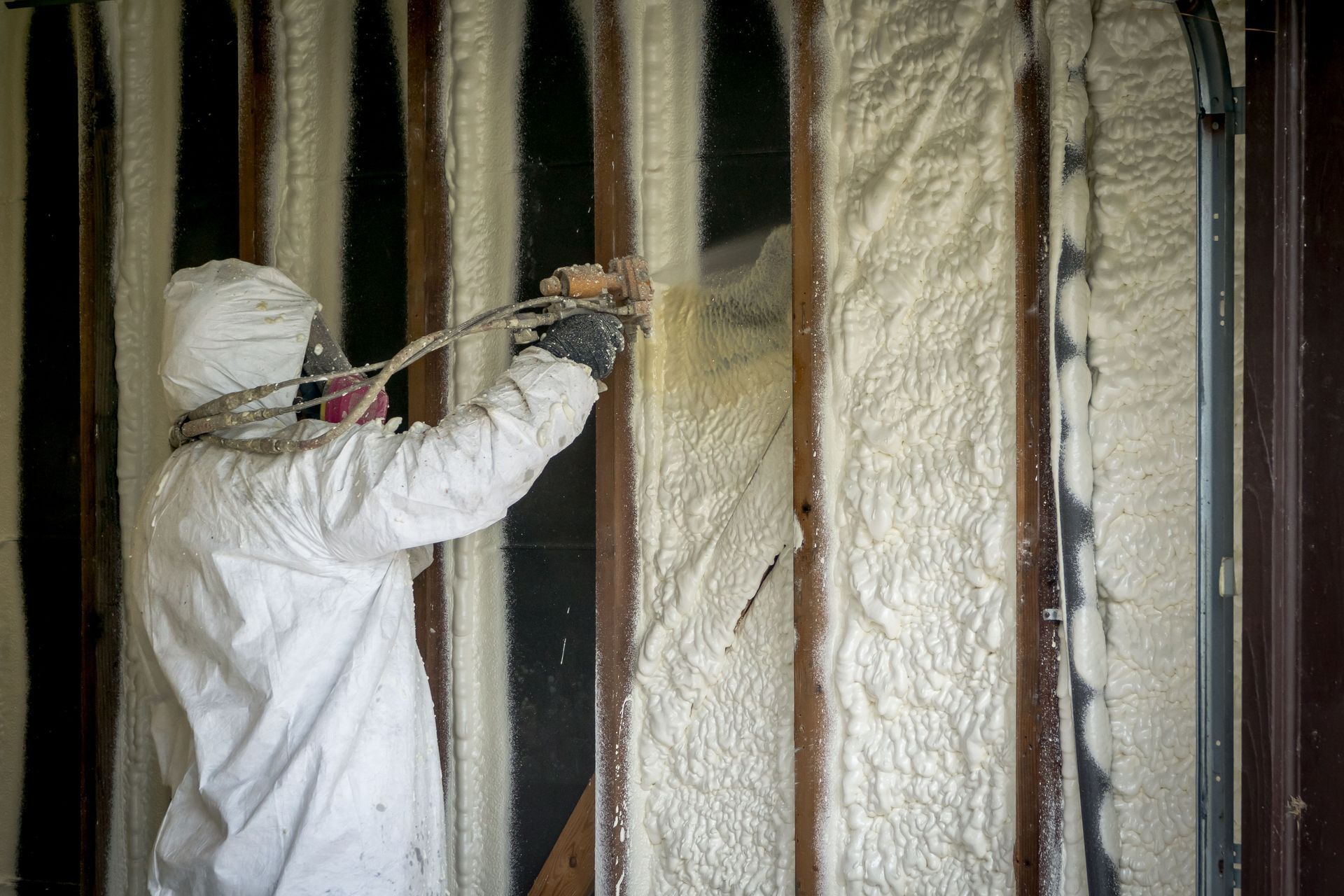
The installation process requires thorough site preparation to guarantee a clean and efficient application. Professional contractors evaluate the building envelope, identifying specific zones prone to air leakage or structural drafts. Using specialized high-pressure equipment, certified installers apply the liquid mixture to targeted cavities, where it rapidly expands and solidifies into place. Post-installation, the excess foam is trimmed flush with the studs to accommodate drywall. Precision during application directly impacts the overall thermal performance and longevity of the material, emphasizing the necessity of trained technicians.
Energy Efficiency Benefits
The primary advantage of spray foam insulation stems from its high thermal resistance, which surpasses many traditional insulating products. The elevated R-value ensures that heat transfer through attics, exterior walls, and crawl spaces is kept to an absolute minimum. Maintaining consistent indoor temperatures reduces continuous operational demand on heating and cooling equipment. By decreasing HVAC runtime, homeowners experience immediate drops in electricity and natural gas consumption, transforming building comfort into tangible financial efficiency.
Case studies and industry data consistently reinforce the dramatic reductions in energy consumption achieved through proper application. Properties retrofitted with spray foam insulation regularly experience significant decreases in monthly utility expenses, validating its real-world performance. According to Coherent Market Insights, the global spray foam insulation market is expected to be valued at $3.28 billion in 2026. This sustained market growth reflects expanding global recognition of spray foam as an essential material for curbing energy waste and achieving modern efficiency standards.
Uncontrolled air leakage represents one of the largest sources of thermal inefficiency in modern homes. Spray foam insulation solves this problem by creating a seamless, airtight seal that fills minor cracks and structural gaps that conventional batts miss. Establishing a continuous air barrier stops warm air from escaping in the winter and blocks humid heat during the summer. Eliminating drafts keeps indoor living spaces consistently comfortable while taking significant strain off mechanical equipment.
Cost Savings Over Time
The upfront expenditure for spray foam insulation is higher than basic fiberglass due to specialized chemical formulations and specialized application equipment. However, property owners routinely recover this initial outlay through reduced monthly utility bills. The rapid reduction in heating and cooling demands allows for a short payback period, often returning the investment within a few years of installation. Furthermore, the permanent nature of the material eliminates recurring maintenance or re-insulation costs.
Financial analysis shows that spray foam insulation offers a high return on investment for residential and commercial properties alike. Homes insulated with high-performance foam demonstrate lower overall energy demands, directly translating into lower operating costs. These monthly utility savings compound over time, providing significant long-term financial returns. Additionally, energy-efficient homes often command higher resale values, making the upgrade a wise financial investment for property owners looking to build equity.
Government initiatives and local utility providers frequently offer tax credits, rebates, and financial incentives to encourage high-efficiency building upgrades. Federal energy efficiency programs and local municipal grants can significantly reduce out-of-pocket costs for installing spray foam insulation. Leveraging these financial incentives lowers the initial barrier to entry, accelerating the overall payback period and maximizing net savings for energy-conscious homeowners.
Health and Comfort Improvements
Spray foam insulation enhances indoor air quality by sealing out outdoor pollutants, dust, pollen, and airborne allergens. Creating an airtight envelope prevents external contaminants from entering living spaces, which is beneficial for occupants with respiratory sensitivities or seasonal allergies. Additionally, preventing moisture infiltration stops mold growth before it starts, preserving clean indoor air and creating a healthier living space for families.
Inconsistent temperatures and room-to-room drafts are common complaints in poorly insulated homes. Spray foam insulation establishes a uniform thermal envelope, eliminating uncomfortable hot and cold spots across different floors and rooms. Maintaining stable indoor temperatures improves everyday comfort and allows HVAC systems to operate on steady, efficient cycles rather than running continuously to fight drafty conditions.
An additional benefit of spray foam insulation is its natural ability to dampen sound transmission. The dense, cellular structure absorbs airborne noise, reducing sound transfer from busy outdoor streets, passing traffic, and neighboring properties. It also reduces sound transmission between interior rooms and floors, creating a quieter, more serene indoor environment for work and relaxation.
Potential Challenges and Considerations
Despite its numerous advantages, spray foam insulation requires precise installation procedures that necessitate professional expertise. Correctly mixing chemicals and managing application temperatures demand specialized equipment and certified technicians. Improper application can result in unsealed gaps, uneven depth, or persistent chemical odors, underscoring the importance of hiring experienced contractors for the job.
During the application and curing process, the expanding foam releases volatile organic compounds that require proper site ventilation and personal protective equipment. Installers use specialized respirators, and occupants must temporarily vacate the premises until the curing process is complete. Once fully cured, spray foam insulation becomes completely inert, safe, and free from off-gassing, posing no ongoing health risks to residents.
The production of synthetic insulating materials involves chemical processes that require responsible environmental oversight. However, ongoing advances in green chemistry have introduced bio-based polyols derived from renewable resources like soybeans, alongside low-GWP blowing agents. Choosing modern, eco-conscious spray foam insulation products allows property owners to minimize environmental impact while maximizing operational energy savings.
Future Trends in Spray Foam Insulation
The future of spray foam insulation is defined by continuous technological innovation focused on improving performance and environmental sustainability. Research into plant-based polymers and advanced blowing agents is yielding products with minimal carbon footprints. Furthermore, smart application tools and automated spraying equipment are refining installation accuracy, reducing material waste, and improving job-site efficiency.
Global demand for energy-efficient building materials continues to rise, driven by strict energy codes and rising utility prices. According to Coherent Market Insights, the global spray foam insulation market is expected to be valued at $3.28 billion in 2026. This steady growth highlights a permanent shift toward high-performance building envelopes in both residential retrofits and new commercial developments.
Innovations in application equipment are making spray foam insulation installation faster, safer, and more consistent. Modern proportioners offer precise digital temperature and pressure monitoring, ensuring optimal chemical mixing on the job site. These technological refinements reduce labor requirements, eliminate application errors, and make high-performance insulation accessible to a broader market.
Upgrading your property with high-performance insulation is one of the most effective ways to lower monthly utility bills, improve indoor air quality, and ensure year-round comfort. Sealing air leaks and establishing a continuous thermal barrier protects your home while delivering permanent energy savings. When you are ready to optimize your home's energy efficiency and lower your monthly bills, trust the expert installers at Insulpro Inc to deliver superior results tailored to your property.