August 14, 2026
Upgrading your property with high-performance materials is one of the most effective ways to lower monthly utility bills and maintain steady indoor temperatures year-round. Among the available choices, spray foam has quickly earned a reputation for providing superior coverage and an airtight barrier against drafts. Whether retrofitting an older home or building a fresh space, understanding how this material works helps you make smart choices for long-term comfort. Navigating the world of local insulation companies allows you to find knowledgeable teams who can evaluate your space and recommend the right approach. Taking the time to explore performance traits, material options, and long-term savings will give you full confidence before work begins. Investing in modern efficiency upgrades pays dividends in lower energy consumption, quieter indoor environments, and superior defense against outdoor weather fluctuations.
Understanding the Mechanics of Spray Foam
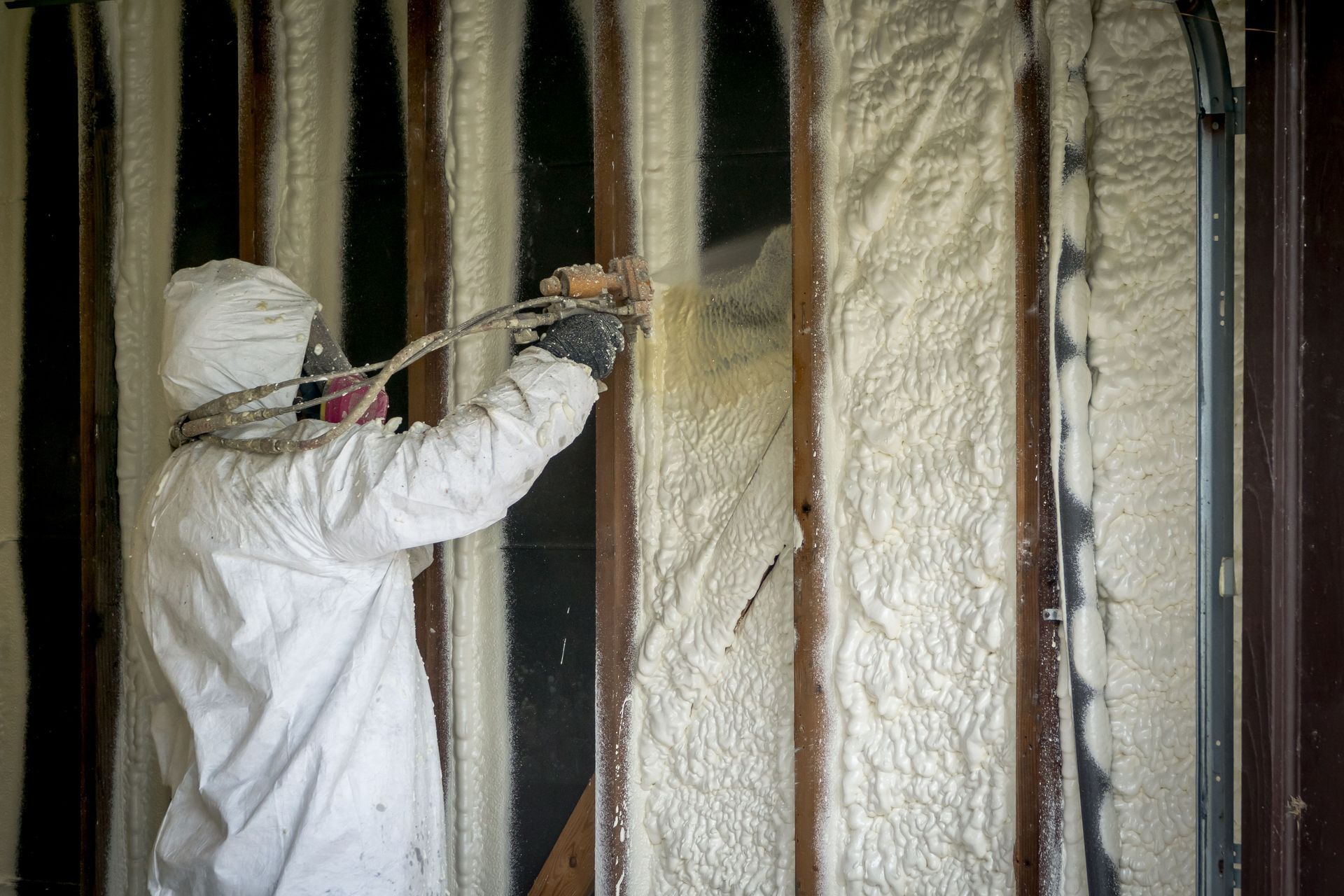
When applied to cavity walls, attics, or under floorboards, spray foam expands rapidly to fill every crack, crevice, and gap. Unlike traditional batts or loose-fill materials, it bonds directly to structural surfaces, creating a continuous barrier that blocks air infiltration completely. Working with local insulation companies ensures that the material is applied evenly and at the correct thickness for maximum thermal performance. This seamless seal helps reduce strain on heating and cooling equipment by preventing conditioned air from escaping through unsealed joints or hidden structural gaps. Over time, eliminating unwanted airflow contributes directly to reduced utility expenses and improved indoor comfort. Furthermore, the complete coverage prevents air cycles that normally carry outdoor temperatures right into living areas.
Comparing Open-Cell and Closed-Cell Options
Spray foam generally comes in two distinct types: open-cell and closed-cell, each offering unique benefits depending on where it is installed. Open-cell foam is lightweight, flexible, and excellent for sound dampening, making it popular for interior walls, floor joists, and quiet spaces. Closed-cell foam is much denser, provides exceptional moisture resistance, and adds structural rigidity to exterior walls and rooflines. Consulting local insulation companies can help determine which material best matches the moisture levels and climate conditions of your property. Selecting the proper foam type ensures your building stays comfortable and well-protected against external elements. Each formulation serves distinct building science purposes, allowing tailored protection for every zone of your structure.
Boosting Energy Efficiency and Lowering Bills
One of the primary reasons property owners choose spray foam is its unmatched ability to cut energy waste. Standard insulation materials often allow air to pass through small gaps, forcing HVAC systems to run constantly to maintain target temperatures. By blocking heat transfer and air leakage entirely, spray foam lowers overall energy consumption throughout every season of the year. Experienced local insulation companies can evaluate your current energy loss points and target problem areas effectively. Over the lifespan of your property, the energy savings generated can significantly offset initial installation expenses. Lowering thermal bridging across wall framing means your HVAC unit runs fewer cycles, prolonging system lifespan while keeping operational costs manageable.
Enhancing Indoor Air Quality and Comfort
Air leaks do more than increase utility bills; they also allow dust, outdoor pollen, allergens, and moisture into your living space. Spray foam seals off these entry points completely, creating a cleaner and healthier indoor environment for your family or tenants. Professional local insulation companies know how to properly seal building envelopes to prevent drafts and reduce moisture buildup that leads to mold growth. Maintaining clean indoor air reduces respiratory irritants and creates a far more pleasant everyday atmosphere inside your home. Sealing outdoor pollutants outside creates a predictable interior environment where air filter systems can operate with maximum effectiveness.
Exploring Industry Growth and Market Trends
The popularity of advanced insulation materials continues to grow rapidly across residential and commercial sectors alike. According to GMI, the spray foam market was valued at USD 3.1 billion in 2025. This strong market growth reflects a global shift toward sustainable building practices and higher standards for energy efficiency. As demand rises, reputable local insulation companies stay equipped with modern application techniques and updated safety standards. Investing in widely recognized, high-efficiency insulation ensures your property remains up to modern building standards for years to come. Property owners increasingly recognize that sustainable materials deliver noticeable financial value alongside enhanced indoor comfort.
Evaluating Initial Investment and Long-Term Value
While spray foam typically requires a higher initial investment than traditional fiberglass or cellulose, its long-term performance offers substantial return on investment. Because the material does not sag, settle, or degrade over time, it retains its insulating value for decades without needing replacement. Partnering with established local insulation companies provides clear estimates and helps you plan your project within budget. When you factor in reduced HVAC wear, lower energy bills, and added structural strength, the long-term value becomes clear. Traditional insulation often degrades or moves over time, whereas polyurethane foam maintains its exact shape and R-value for the long haul.
Navigating Professional Application Requirements
Installing spray foam involves precise chemistry and specialized equipment to ensure the two liquid components mix correctly and cure properly. Proper application requires exact pressure, temperature control, and thorough surface preparation to ensure strong adhesion to substrate surfaces. Reputable local insulation companies send trained crews who follow strict safety guidelines, including proper ventilation and protective gear during spraying. Relying on trained contractors guarantees that the chemical mixture expands fully and cures safely without off-gassing issues or hollow spots behind walls. Proper installation safeguards your building structure while ensuring maximum thermal resistance across every square foot.
Mitigating Moisture and Mold Risks
Uncontrolled moisture is one of the biggest threats to structural integrity, leading to wood rot, peeling paint, and mold growth inside wall cavities. Closed-cell spray foam acts as an effective vapor barrier, stopping liquid water and humidity from migrating through walls and roofs. Qualified local insulation companies assess existing moisture conditions before applying foam to prevent trapping dampness inside structural cavities. Protecting your building envelope from water intrusion preserves structural health and avoids costly future repairs. Eliminating vapor movement protects wooden framing members from subterranean rot and atmospheric moisture degradation over time.
Modernizing Older Properties with Retrofit Foam
Older buildings often suffer from inadequate insulation, drafty rooms, and high energy costs due to outdated construction techniques. Spray foam is an ideal retrofitting solution because it can conform to irregular framing and tight spaces where traditional batts fail completely. Experienced local insulation companies can assess older structures to upgrade attics, crawl spaces, and exterior walls efficiently. Modernizing your property's insulation envelope restores comfort, dampens outside street noise, and brings older buildings up to contemporary energy standards. Upgrading historic or vintage structures with modern materials stabilizes indoor climates without altering the architectural character of the exterior.
Preparing Your Space for Installation Day
Smooth installation requires proper site preparation to protect your belongings and ensure easy access for application equipment. Working alongside local insulation companies beforehand helps establish a clear timeline for clearing out work areas, masking windows, and covering floor surfaces. Crew members will evaluate ventilation needs and inform you of the curing window required before re-entering the space. Proper preparation minimizes disruptions to your routine and ensures a safe, efficient installation process from start to finish. Clear communication regarding timeline expectations ensures that household activities resume quickly with zero safety concerns.
Investing in spray foam insulation is a proven strategy for increasing energy efficiency, maintaining consistent indoor temperatures, and protecting your property from air leaks and moisture. Understanding the differences between foam types and recognizing the importance of proper application prepares you to make informed decisions for your project. Working with top-rated local insulation companies guarantees that your insulation is applied safely, effectively, and in full compliance with modern building codes. Ready to lower your energy bills and enhance your indoor comfort? Contact Insulpro Inc today to schedule a consultation and take the first step toward a more energy-efficient space.